
Personalized promotional jewelry can serve as an elegant logo item, a memento of an event, or a business gift. If it is made of silver, gold, or another precious metal, it also becomes a piece of jewelry.
In that case, it’s not just the design, form, and customization that matter. The markings that may appear on the finished product are also important.
At LogoBijou, we create, among other things, logo bracelets, 925 sterling silver pendants, jewelry featuring personalized symbols, and custom designs for companies, events, and institutions. With projects like these, a common question arises: What is a nameplate? What is a hallmark? And when should they appear on jewelry?
What is a nameplate on jewelry?
A hallmark is an individual mark that identifies the manufacturer of a precious metal product or the entity that places such a product on the market.
This is not a client’s logo or a decorative element. It is a formal marking related to liability for the jewelry item.
In practice, a name can appear on various pieces of jewelry, such as:
- a silver pendant,
- a logo plate,
- a component of the bracelet,
- cufflinks.
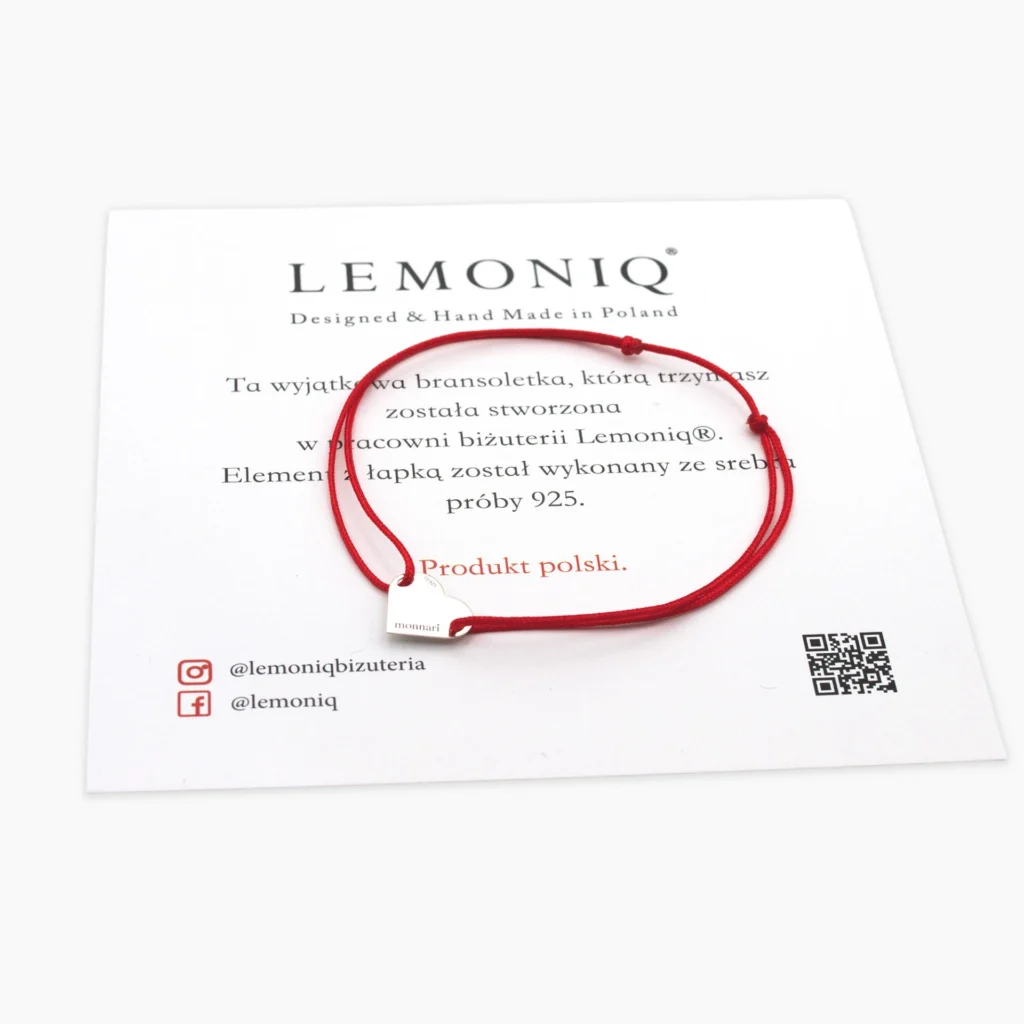
For small items, such as a bracelet with a silver logo, the marking should be designed so that it does not detract from the jewelry’s aesthetic appeal.
At LogoBijou, when producing promotional jewelry for our clients, we can include either our own name as the manufacturer or the client’s name as the entity placing the jewelry on the market.
What is a hallmark, and when is it required?
A hallmark is an official mark certifying the fineness of the precious metal from which an item is made. For silver jewelry, the most common fineness is 925.
The hallmark is applied by the Assay Office. It is not always required. In the case of silver, the hallmark does not have to be applied to a product if the product’s weight does not exceed 5 g. In such cases, a maker’s mark is sufficient.
A namesake and a company logo—how are they different?
A company name and a company logo are two different things.
A client’s logo serves a promotional, branding, or commemorative purpose. It can be cut out of silver, engraved, cast, or displayed on a tag, card, or packaging.
The name, on the other hand, refers to the manufacturer or the entity placing the product on the market. It is not intended to promote the ordering party’s brand.
Therefore, the following may appear in a single project:
- the client’s logo as the main motif of the jewelry,
- the manufacturer’s namesake,
- a hallmark certifying the metal’s fineness.
Why is it important to consider labeling right from the design phase?
When creating personalized promotional jewelry, we often work with small components. A pendant, a logo plate, or a silver connector has limited surface area, so it’s a good idea to plan for space for a nameplate or hallmark right from the design stage.
This is especially important when the logo has fine details, the design is openwork, the element has an unusual shape, or the design is intended to be minimalist.
Careful planning of signage helps avoid situations where a required sign would have to be placed in a random location.
Personalized Name Tags in Promotional and Corporate Jewelry
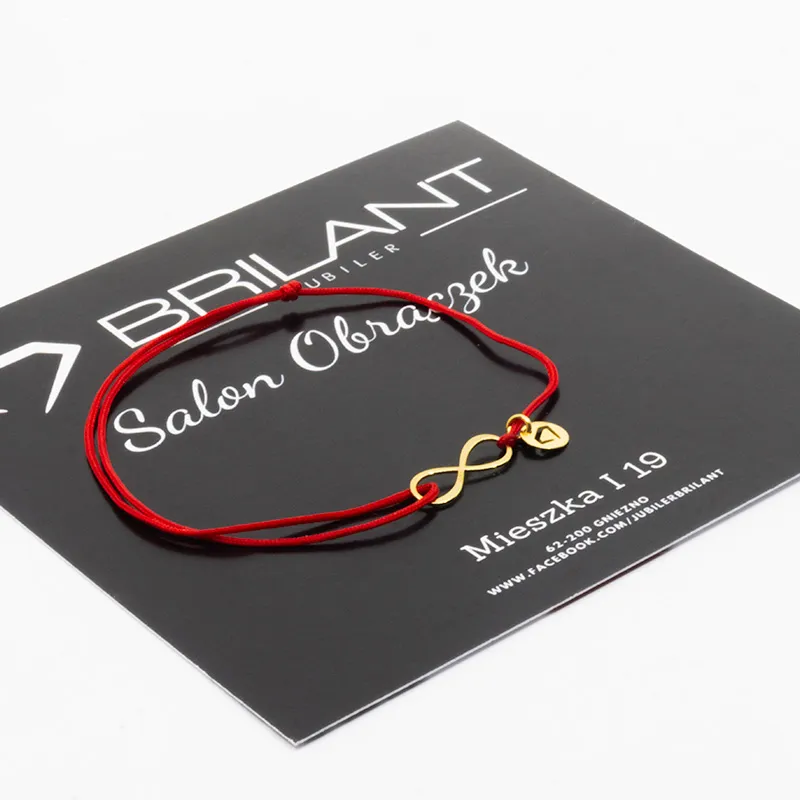
Promotional jewelry is often thought of as a promotional item. In the case of silver, however, it has an additional dimension—it is also a piece of jewelry.
Such jewelry can serve the following purposes:
- business gift,
- event souvenirs,
- a gift for partners,
- a product for the brand’s community,
- part of a promotional campaign.
In such designs, formal markings do not detract from the product’s value. On the contrary—they emphasize its jewelry-like character.
In the case of a company bracelet with a silver pendant , the nameplate may be a small detail, but for the recipient, it signals that they are dealing with a product made of precious metal.
What does "925 silver" mean?
925 sterling silver is one of the most commonly used materials in jewelry. Simply put, 925 means that the silver alloy used to make the piece consists of 92.5% pure silver, with the remainder consisting of other metals, such as copper.
In all LogoBijou designs, the silver components are 925 sterling silver.
Packaging and Jewelry Information
Packaging is also important for promotional jewelry. It is often the first thing that shows the product was created specifically for a particular brand, event, or occasion.
Custom packaging may include, among other things:
- company logo,
- event name,
- a short dedication,
- the date of the anniversary,
- information about the material,
- Description of the project’s symbolism.
When it comes to silver jewelry, it’s worth including a brief note about the 925 hallmark. This is particularly useful for business gifts, anniversary gifts, and premium collections.
What should the buyer keep in mind?
When ordering promotional jewelry with silver elements, it’s a good idea to clarify a few points right from the start: what metal the product should be made of, whether the logo element will be silver, where the personalization should be placed, what technique will be used to create the logo, and whether personalized packaging will be needed.
It is also important to consider whether the jewelry will be a gift, a promotional item, or a product intended for sale. The intended use may affect the formal aspects of the design.
The buyer does not need to know all the details regarding hallmarking. However, it is worth knowing that hallmarks and assayer’s marks are a natural part of jewelry made of precious metals.
That is why, for projects such as a promotional bracelet with a silver logo , it’s a good idea to discuss the marking details before production begins.
Summary
Hallmarks and fineness marks are small markings, but they are of great importance in precious metal jewelry.
The maker’s mark identifies the manufacturer or the entity placing the product on the market. The hallmark certifies the fineness of the metal from which the jewelry is made.
When designing promotional jewelry, it’s a good idea to incorporate these markings right from the design stage. This ensures that the company logo, event symbol, silver element, and required markings come together to form a cohesive whole.
At LogoBijou, we design personalized promotional jewelry that combines promotional, aesthetic, and jewelry-making functions—from logo bracelets to pendants, cufflinks, necklaces, and designs created for events, anniversaries, and promotional campaigns.
This text is for informational purposes only and does not constitute legal advice. For a specific project, it is advisable to consult with a lawyer, a patent attorney, or the relevant assaying office regarding the scope of the markings and the use of the mark.